Reading time: 10 minutes
Published: 2 October 2026
Quick answer: A UK blackout kit should start with an LED or wind-up torch, a charged 10,000–20,000mAh power bank, spare batteries, bottled water (2.5–3 litres per person per day), no-cook food with a manual tin opener, a battery or wind-up radio and a first aid kit — a basic version costs around £50, a solid household kit about £100, and a fully tailored 72-hour kit roughly £250, according to EoDSurvival's 2026 UK blackout kit buying guide.
The lights go out just as the weather turns. Your phone has 18% battery, the freezer is warming up, and you cannot remember where you put the torch.
That is the problem a blackout kit solves.
On 28 September, Defence Secretary Wes Streeting urged households to keep cash, bottled water and tinned food at home. He called for a “whole society approach” to national resilience and said people should stay “alert not alarmed”. A useful way to think about preparedness. You do not need a bunker. You need the right items, bought in the right order.
The government is now promoting an official emergency kit list covering nine item groups. This guide turns that list into a practical shopping plan for the UK, with realistic price ranges and advice on what to buy first.
⚡ What a blackout kit is actually for
Most UK power cuts are local and short-lived. Storm damage, flooding, damaged cables and equipment faults are more realistic household risks than a nationwide grid collapse.
NESO’s early view for winter 2026/27 expects the electricity system to remain nationally secure, with a forecast 5.5 GW margin. That does not mean every local network is immune to problems. It means your kit should be designed for a few hours to a few days without power, water or reliable access to shops.
That is the sensible target.
The official Prepare campaign guidance also says most power cuts are short-lived, while longer regional outages remain possible.
A 72-hour kit is a useful planning window. It is not a requirement to spend hundreds of pounds immediately.
🛒 Your buying order: £50, £100 and £250
Your first £50: cover light, communication and food
If money is tight, buy the basics this week:
- LED torch or wind-up torch: £8–£15
- 10,000–20,000mAh power bank: £15–£25
- Spare AA or AAA batteries: £4–£8
- Bottled water: £3–£6
- Ready-to-eat food and a manual tin opener: £10–£15
- Hand sanitiser and wet wipes: £3–£6
Choose a simple torch over a bright tactical model. Buy food you already eat, so it gets rotated rather than forgotten.
Your first £100: add information and basic medical cover
Once the first layer is covered, add:
- Battery or wind-up radio: £15–£35
- First aid kit: £10–£25
- More food and water: £15–£25
- Printed contact list, cable and small cash reserve: £5–£20
At this point, you have the core of a useful home emergency kit. You can cope with darkness, charge a phone, receive updates, open food, deal with minor injuries and avoid relying entirely on card payments.
Your first £250: build for your household
A larger budget lets you adapt the kit to your circumstances:
- Two or more torches, including a head torch: £20–£50
- 20,000mAh+ power bank or second bank: £25–£60
- Better radio with crank or solar backup: £30–£70
- Larger first aid and hygiene supplies: £25–£45
- Three days of water and no-cook food: £50–£100
- Pet, baby or medical supplies: from £10 upwards
- Analogue fridge/freezer thermometer, batteries and storage box: £10–£25
Prescription medicines, specialist medical batteries and baby formula can change the total considerably. Treat those as priority purchases, not optional extras.
📋 The official nine-item list: what to buy
1. Battery or wind-up torch
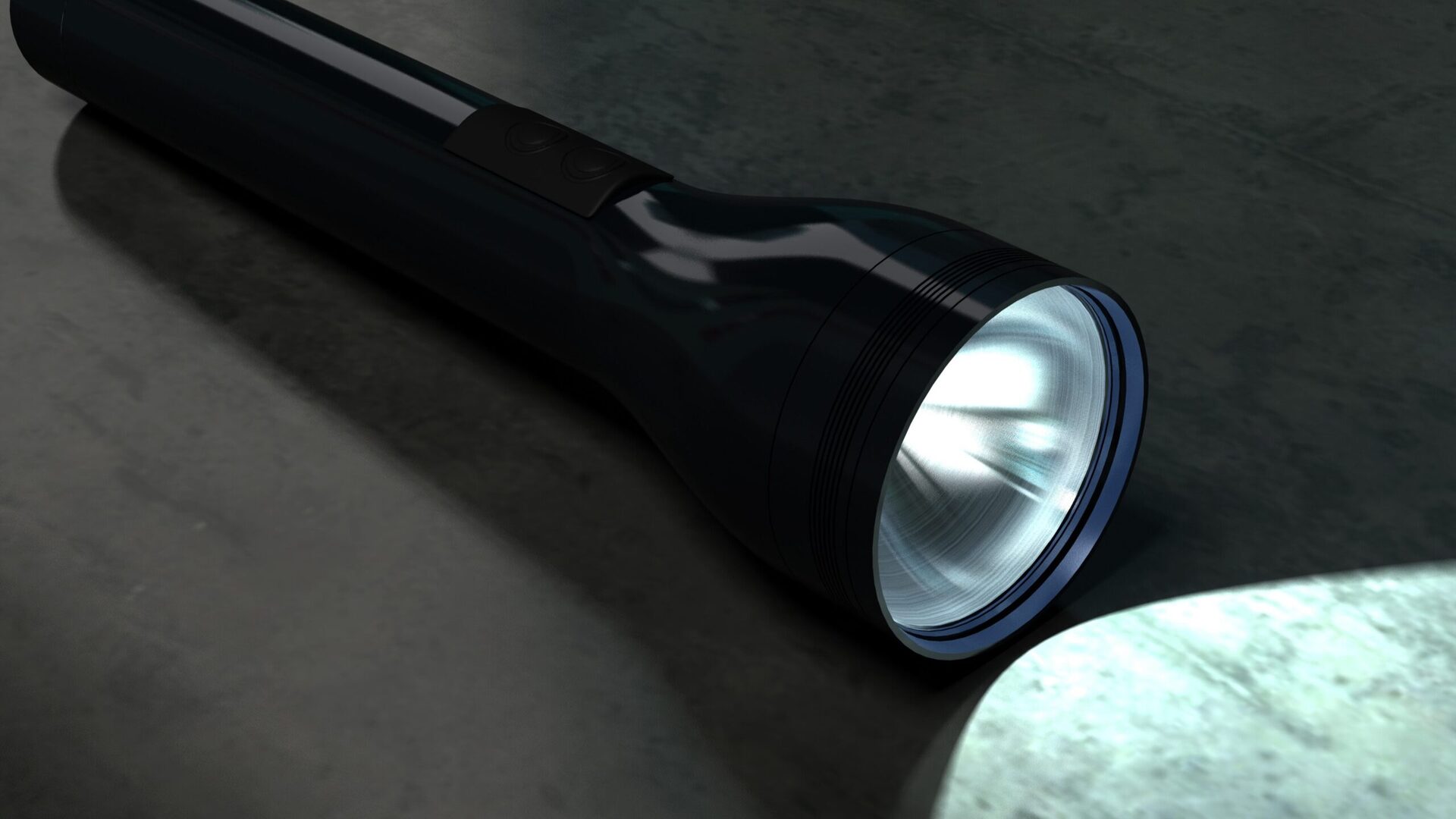
Look for: An LED torch with a simple switch, a low or medium setting and a useful runtime. AA or AAA models are easy to support with spare batteries. A wind-up torch removes the need for replacement cells.
Avoid: Candles as your main light source, complicated modes and extremely bright models that drain batteries quickly.
Typical UK cost: £5–£30
A torch you can find in darkness is more useful than one left in a drawer. Store one beside the bed and another with the main kit.
2. Portable power bank
Look for: At least 10,000mAh for one phone and around 20,000mAh for a household. USB-C input is convenient. Check that it has an output compatible with your phone and cables.
Avoid: Unbranded banks with no clear capacity, damaged lithium batteries or a tiny power bank built into a novelty gadget.
Typical UK cost: £15–£50
Charge it monthly. A power bank that is empty when the power fails is just extra weight.
3. Battery or wind-up radio
Look for: FM reception, clear controls and more than one power option. USB charging, a hand crank, solar trickle charging or AA battery support are useful. DAB can be helpful, but do not sacrifice simplicity or FM reception.
Avoid: Treating the radio’s small internal battery as your main phone charger. Owner reports commonly describe the crank as a slow top-up rather than a replacement for a proper power bank.
Typical UK cost: £15–£70
A car radio is a fallback, but during severe weather it may be safer to stay indoors.
4. Spare batteries and medical backup batteries
Look for: The correct AA, AAA or specialist batteries for your equipment. Keep spare batteries in their original packaging or a small case.
Avoid: Mixing old and new batteries, leaving loose cells where they can short, or assuming rechargeable batteries will always be charged.
Typical UK cost: £4–£20, excluding specialist medical batteries
If you depend on powered medical equipment, speak to your care team or supplier. Keep several days of prescription medication available where possible, and store printed operating instructions with the kit.
5. First aid kit
Look for: Waterproof plasters, bandages, thermometer, antiseptic, eyewash solution, sterile dressings, gloves, medical tape and tweezers. Reputable kits list their contents clearly.
Avoid: Buying a large kit filled with items you do not understand or cannot replace. A smaller, complete kit is better than an impressive-looking box with missing essentials.
Typical UK cost: £8–£35
Check expiry dates twice a year. Add any personal medicines separately.
6. Hand sanitiser and wet wipes
Look for: Alcohol-based sanitiser and sealed wipes suitable for hands and surfaces.
Avoid: Relying on sanitiser for every situation. It does not replace clean water when hands are visibly dirty.
Typical UK cost: £3–£12
These are inexpensive and useful during power cuts, water interruptions and travel. Buy household-sized packs if you are preparing for several people.
7. Bottled water
Look for: Sealed drinking water in manageable bottles or food-grade containers. Store enough for your household, pets and any medical needs.
Avoid: Storing everything in one heavy container that nobody can lift safely. Do not forget that babies may need extra water for formula.
The government guidance does not set one fixed household quantity. The World Health Organisation benchmark cited by the campaign is 2.5–3 litres of drinking water per person per day. For three days, that is 7.5–9 litres per person for drinking alone.
Around 10 litres per person per day allows for drinking, basic cooking and limited hygiene. That is a much larger storage requirement, so build towards it if you have the space.
Typical UK cost: £2–£10 for a small supply; £10–£30 or more per person for a larger three-day reserve
Rotate stored water and check containers for leaks.
8. No-cook, non-perishable food
Look for: Ready-to-eat tinned meat, fish, fruit and vegetables, plus foods your household will actually eat. Add a manual tin opener.
Avoid: Food that needs boiling, long cooking or refrigeration. Do not build a stockpile around items nobody likes.
Typical UK cost: £10–£30 per person for a basic three-day supply
Include pet food. Check dates and use older tins during normal meals, replacing them as you go.
9. Baby supplies
Look for: Nappies, wipes and enough formula for your circumstances. Ready-to-feed formula is the safer option when you cannot boil water or sterilise bottles.
Avoid: Assuming you can prepare powdered formula normally during a power or water outage. Follow NHS guidance and the manufacturer’s instructions.
Typical UK cost: £5–£30 or more, depending on the baby’s needs
This category also applies to children who need particular foods, medicines or equipment.
🧰 What we would add to the official list
The official list is a strong starting point. For a blackout-specific kit, add these low-cost items:
- A torch with a glow-in-the-dark marker or a small light left beside the kit
- An analogue fridge/freezer thermometer for checking food safety
- Cash in small notes and coins in case card payments or cash machines fail
- A printed contact list, including 105 for power cuts in England, Scotland and Wales
- A charging cable for every common phone type in your home
- Warm layers, blankets and a basic pair of gloves
- Pet food and a water bowl
- A small storage box that is easy to carry
You can download the government’s household emergency plan and keep it with your kit.
🏠 Store it so it works

Keep the main items together in one known place. A hallway cupboard, utility room or sturdy storage box usually works well.
The location should be:
- Easy to reach without lights
- Away from damp and extreme heat
- Known to everyone in the household
- Accessible if you need to leave quickly
- Safe from children where necessary
Keep spare batteries separate from devices if the manufacturer recommends it. Test torches, radios and power banks every few months. Rotate food and water. Replace anything used immediately.
Do not take the kit with you during a fire evacuation. Leave first and follow emergency instructions.
🚫 What not to buy
Indoor petrol or gas generators
Never use a petrol, diesel or gas generator indoors, in a garage or near doors and windows. Carbon monoxide can kill without warning. A generator is not a first purchase for most UK households.
Candles as your main lighting
Candles create an avoidable fire risk, especially when you are moving around in darkness or looking after children. LEDs are safer and usually cheaper to run.
Overspecified equipment
You probably do not need a £1,000 power station before you own a torch, water, food and a radio. Likewise, a 5,000-lumen torch may be less useful than three simple household torches.
Plug-in solar products are attracting attention, and some kits have sold out as energy bills rise. However, do not assume a grid-connected solar panel will keep your home running during a blackout. Many systems shut down automatically when the grid fails. Battery backup and safe installation matter.
✅ Quick blackout kit checklist
Buy in this order:
- ☐ LED or wind-up torch
- ☐ Charged 10,000–20,000mAh power bank
- ☐ Spare batteries and charging cables
- ☐ Bottled water
- ☐ No-cook food and manual tin opener
- ☐ Battery or wind-up radio
- ☐ First aid kit
- ☐ Hand sanitiser and wet wipes
- ☐ Prescription medicines and medical-device batteries
- ☐ Baby and pet supplies, if needed
- ☐ Small cash reserve
- ☐ Printed contact list and 105 power-cut number
- ☐ Storage box in an easy-to-find location
For more detail on quantities and household planning, read our Blackout Checklist: 72 Hours at Home. For charging and lighting choices, see Power Essentials for a Blackout. You can also browse our UK power blackout guides.
❓ Blackout kit FAQs
What should be in a blackout kit in the UK?
An LED or wind-up torch, a charged power bank, spare batteries, bottled water, no-cook food and a tin opener, a battery or wind-up radio, a first aid kit, hand sanitiser and wipes, medicines, baby and pet supplies, cash and a printed contact list.
How much does a blackout kit cost in the UK?
A basic kit covering light, charging, water and food costs about £50. Adding a radio and first aid kit brings it to around £100, and a tailored three-day household kit costs roughly £250.
How much water should I store for a power cut?
Plan for 2.5–3 litres of drinking water per person per day, or 7.5–9 litres per person for three days. Around 10 litres per person per day also covers basic cooking and hygiene.
What number do I call in a UK power cut?
Call 105 to report or get information about a power cut in England, Scotland and Wales.
Should I buy a generator for blackouts?
Not as a first purchase. Never run a petrol, diesel or gas generator indoors, in a garage or near doors and windows because of the carbon monoxide risk.
💡 The bottom line
A blackout kit is not a prediction of disaster. It is a small investment in comfort and control when the lights go out. Start with £50, improve it over time and buy for the risks your household actually faces.
Stay alert, not alarmed. Preparedness should make you feel more confident, not more afraid.
Images: UK Government Prepare campaign.
Get the Free Blackout Checklist
Download our printable checklist and keep it with your kit, so everyone at home knows what to grab when the lights go out.